The Story of St. Luke’s Episcopal Church | Asheville, North Carolina
Honoring the Land
St. Luke’s Episcopal Church rests in the quiet beauty of Chunn’s Cove, on land that holds a story far older than our own. Long before this church was built, these mountains were part of the homeland of the Cherokee Nation. We honor their deep connection to this place and remember the hardship and injustice that led to their removal, while recognizing that the Eastern Band of Cherokee Indians continues to call this region home today.
A Beginning Rooted in Community
The story of St. Luke’s begins not with a building, but with people.
In 1858, Episcopal services were first held in the home of Hosea and Mourning Lindsey, led by Dr. Jarvis Buxton of Trinity Church in Asheville. These early gatherings were simple and heartfelt, bringing neighbors together for prayer, teaching, and fellowship. Their daughter, Mary Lindsey, would later marry William F. Rice, who became the first deacon-in-charge of what would become St. Luke’s. From the very beginning, this church has been shaped by relationships, family ties, and a shared sense of calling.
As the years went by, families in the Cove—the Lindseys, Owens, Britts, Armstrongs, and others—helped grow a small but faithful community, gathering for worship and teaching children wherever space could be found.
Building a Church by Hand and Heart
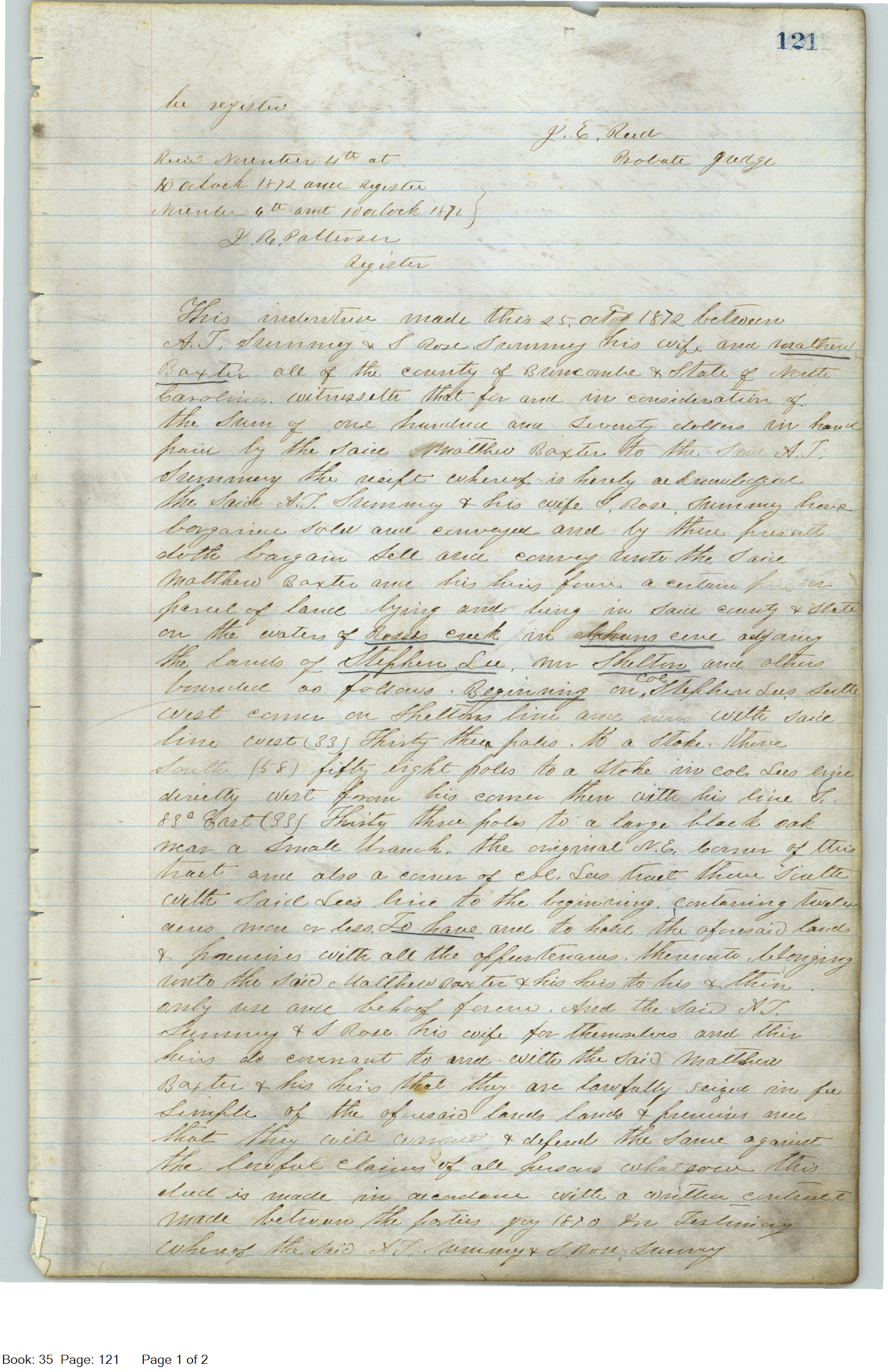
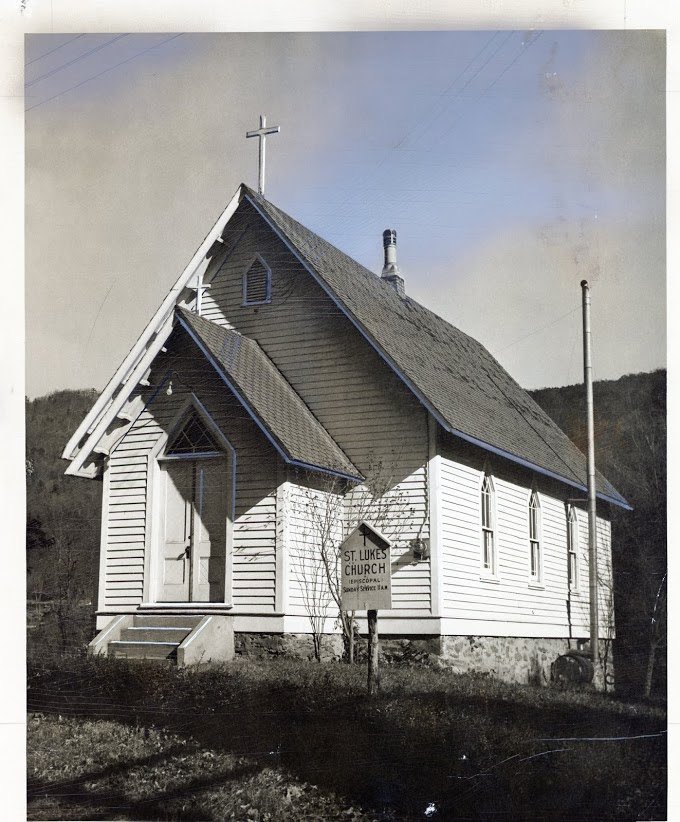
In 1894, that growing community took a step of faith. With land purchased from Mathew and Jane Baxter and plans drawn by local resident E. J. Armstrong, the people of St. Luke’s built their church with a combination of diocesan support and their own labor. Much of the work was done by hand—neighbors helping neighbors, offering what they could.
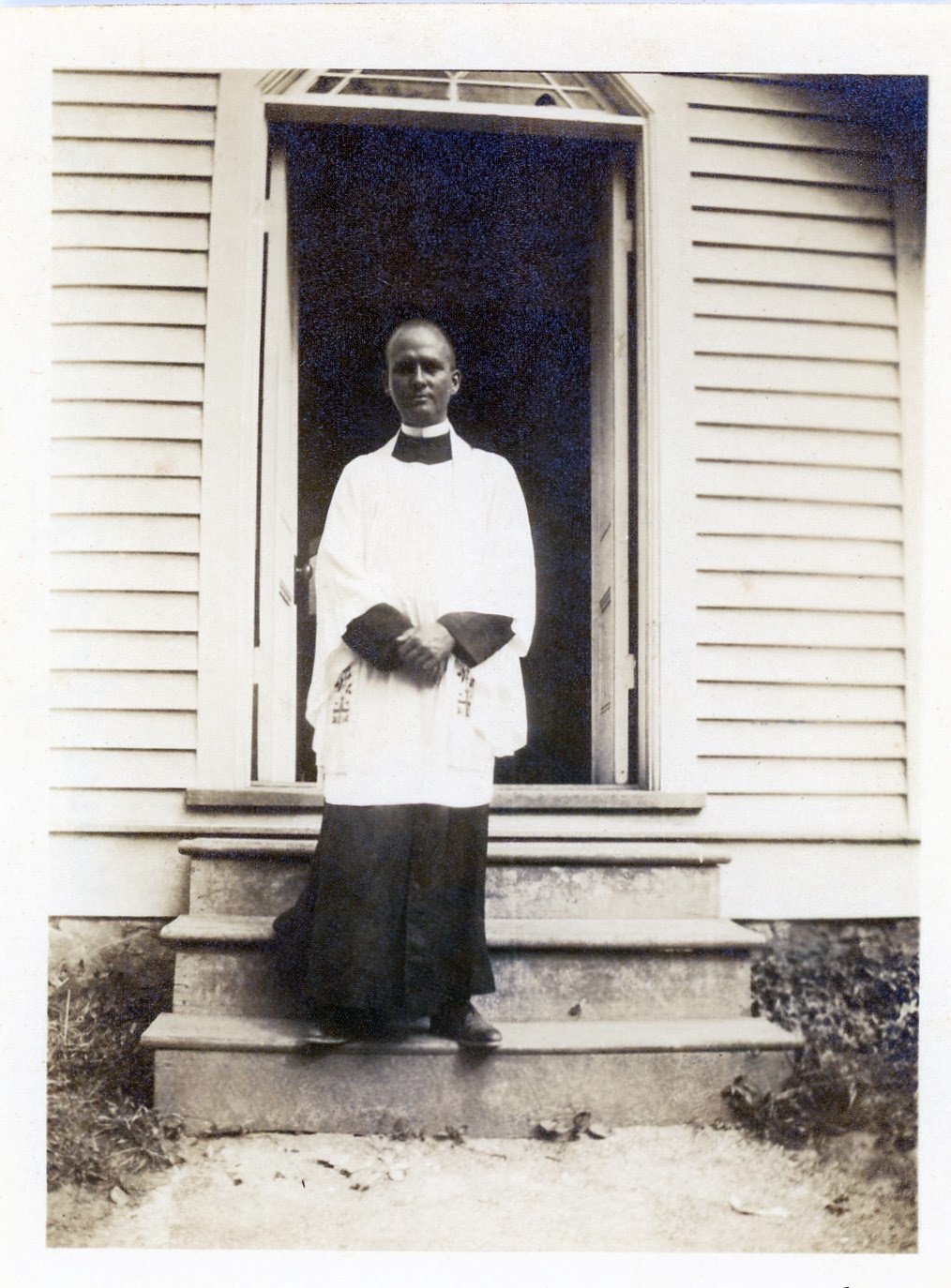
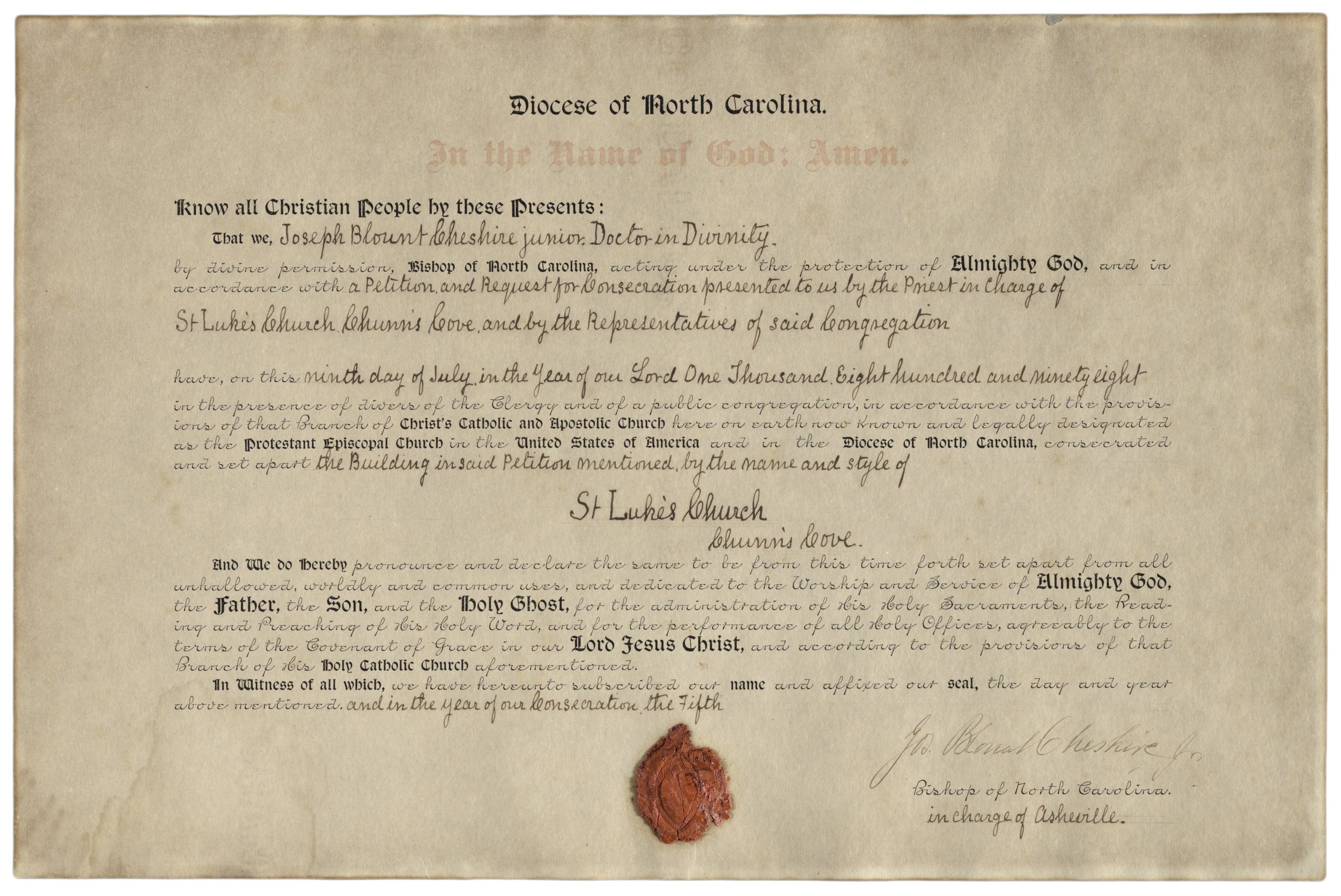
The first congregation was small—just eight communicants—but full of hope. Under the leadership of Rev. William F. Rice, the church began to take root as a steady presence in Chunn’s Cove. In 1898, Bishop Joseph Blount Cheshire consecrated the church, marking the beginning of St. Luke’s as a lasting spiritual home.
Faith Carried across the Mountains
In the early years, ministry required both faith and endurance. The Reverend William Rice, The Reverend George Bell, and The Reverend George Sutherland served not only St. Luke’s, but other mountain congregations—traveling long distances, often by horseback or on foot, to bring worship and pastoral care to scattered communities. Through their leadership—and the quiet, steady devotion of parishioners such as Janie Owen, who cared faithfully for the church property—St. Luke’s continued to grow, one relationship at a time.
Resilience through Hardship
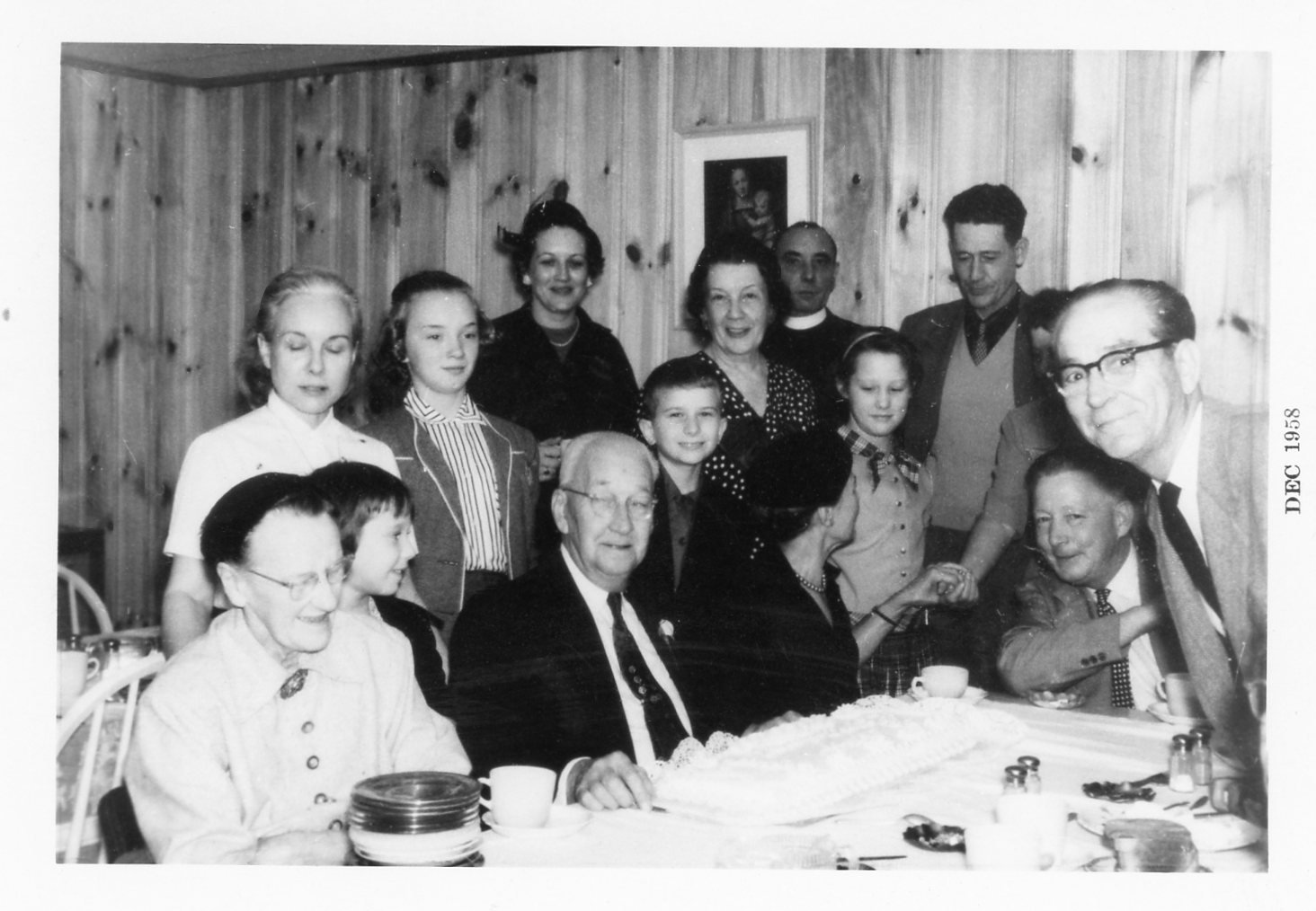
Like many small churches, St. Luke’s has been shaped not by rapid growth, but by steady faithfulness. Even during the Great Depression, the life of the church endured. Sunday School gatherings, holiday celebrations, and shared traditions continued to bring people together.
In the 1930s and 40’s, clergy such as The Reverend James Sill and The Reverend Dudley Stroup helped guide the congregation through years of challenge and renewal. Together, they oversaw important improvements—bringing electricity, heat, and new life to the building, while the spirit of the church remained rooted in worship and community.
By 1961, a long-held dream became reality with the completion of a rectory, built under the leadership of master carpenter Odd White and made possible through the hands and hearts of many volunteers. The cost was paid off the same year, a testament to what a small but committed community can accomplish together.
Into a New Century
In the 21st century, St. Luke’s has continued to evolve while holding fast to its roots. Under the leadership of The Reverend Patricia (Patty) Mouer, the church expanded its outreach and deepened its sense of community. New traditions took shape alongside old ones with the installation of a labyrinth and a renewed focus on family life and pastoral care.
In 2017, the congregation celebrated the completion of Louise Hamilton Hall, a long-dreamed-of gathering space that continues the tradition of creating places where people can come together for fellowship, ministry, and shared meals. Even during the challenges of the COVID-19 pandemic, the people of St. Luke’s found ways to remain connected—adapting worship and continuing to care for one another in creative and meaningful ways.
Continuing the Story
In 2023, St. Luke’s celebrated 125 years as a consecrated church—a milestone shaped by generations of faithful leadership, both clergy and lay. But the story of St. Luke’s is not only found in its past—it is lived out every day in the life of its people.
For nearly 30 years, the St. Luke’s College Scholarship has supported young people as they take their next steps in life, which reflects a deep commitment to education and encouragement for the next generation. The parish also supports Big Brothers Big Sisters of America, building relationships that uplift children and families in lasting ways.
Beyond its walls, St. Luke’s is actively engaged in the wider Asheville community. Parishioners regularly serve at ABCCM’s Veterans Restoration Quarters, offering time, compassion, and care to those who have served our country. Through partnerships with Buncombe County Schools and the Reynolds School District, the church participates in Family2Family projects to support students and families with practical needs in a spirit of generosity. These ministries are not separate from the church’s history, they are a continuation of it.
From the earliest gatherings in a family home to the vibrant parish it is today, St. Luke’s Episcopal Church remains a place where faith is lived out in community, where neighbors care for one another, and where small acts of love grow into lasting impact.
We give thanks for all who have come before us—and we look ahead with hope as the story continues.
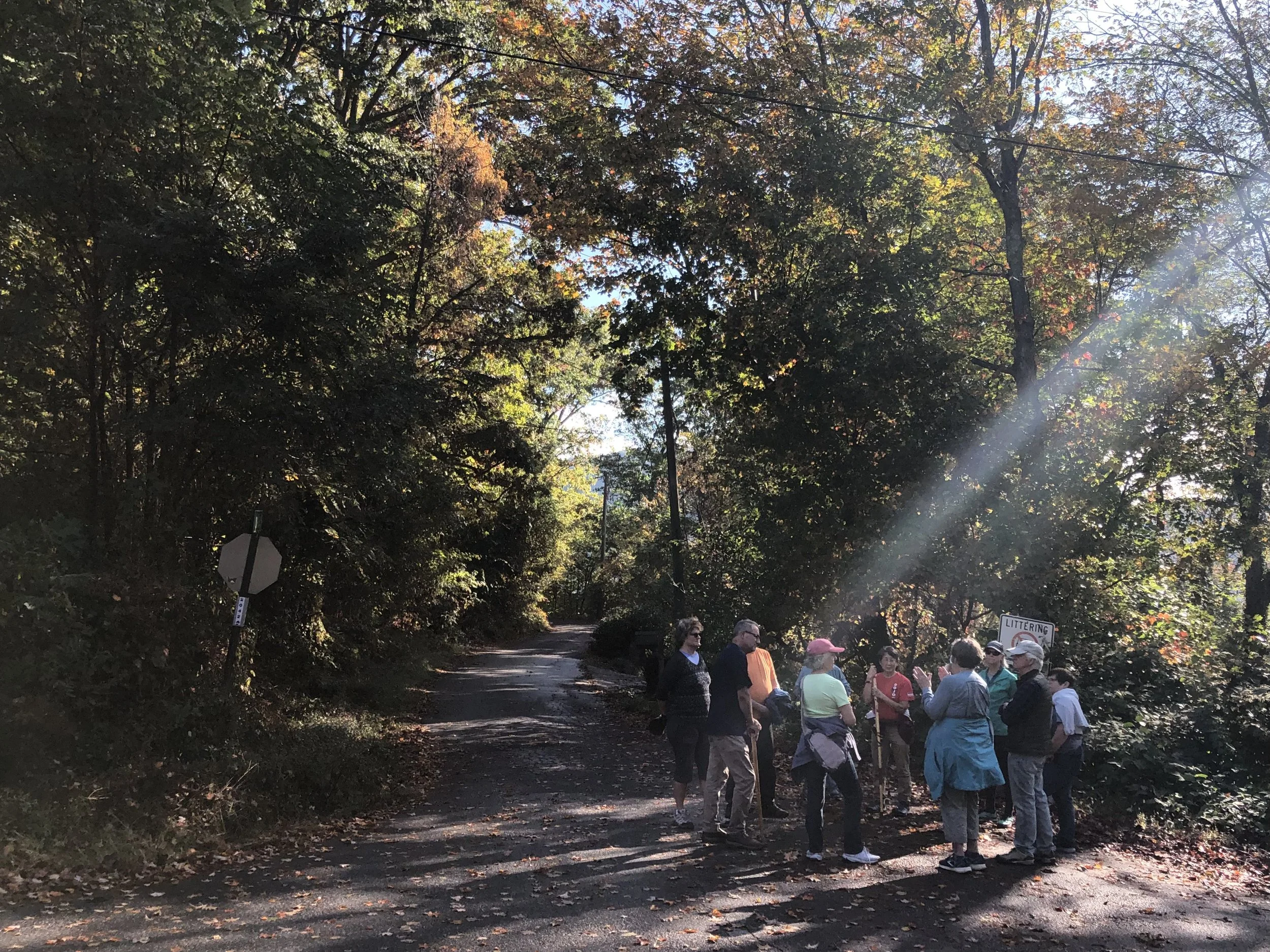
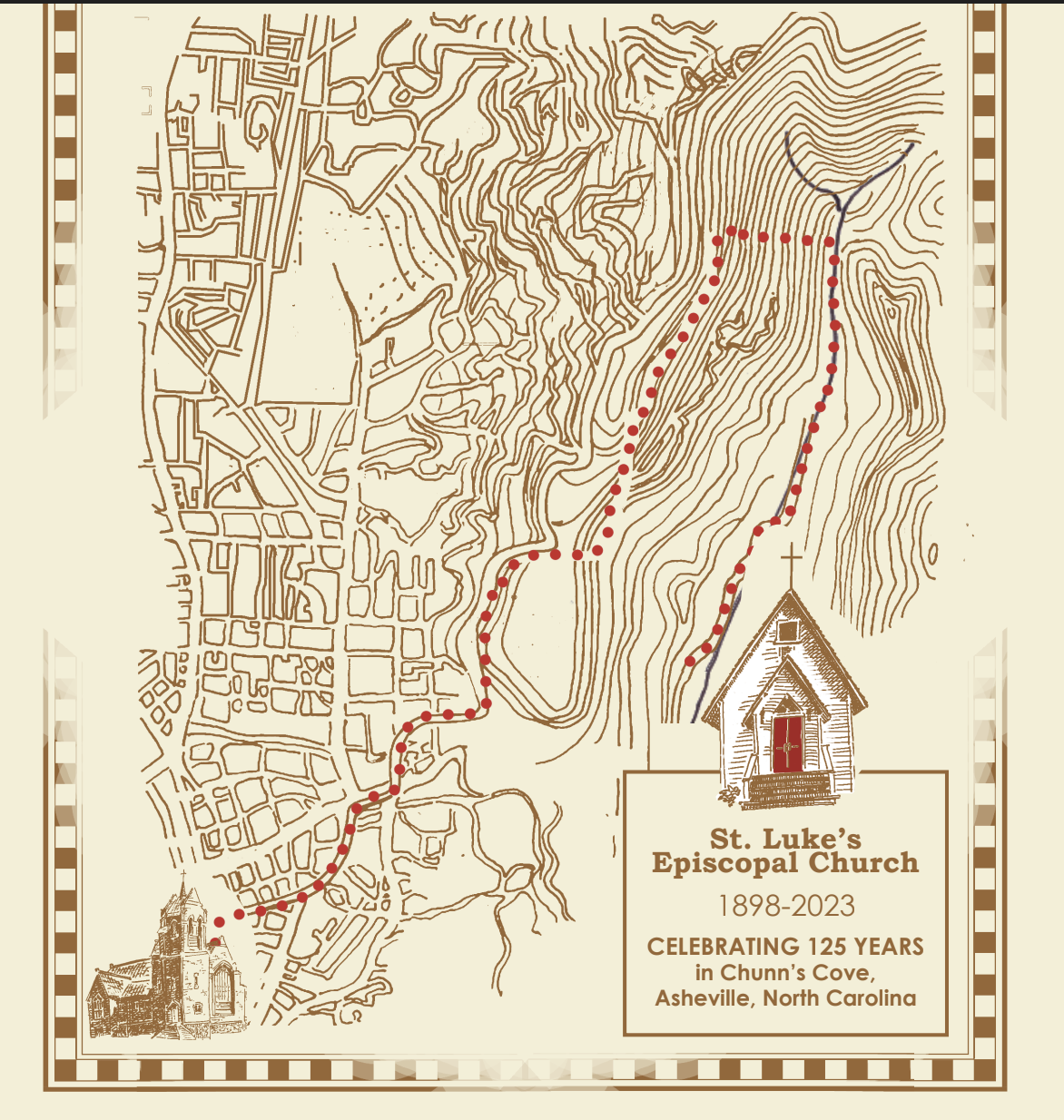
Old Trail to St. Luke’s